

Geography
Intent
At Old Hill Primary School, our geography curriculum develops pupils’ understanding of the world, its environments and the people who live in it.
The curriculum is designed to build secure knowledge of physical and human geography, alongside the development of disciplinary thinking. Pupils explore how places are connected and how human and physical processes shape the world.
Pupils develop understanding of key geographical concepts, including:
- Location and place
- Physical and human processes
- Environment and sustainability
- Change over time
Our curriculum reflects our local context. Pupils study Old Hill and the surrounding area to understand how their local environment has changed and how it connects to wider regional and global processes.
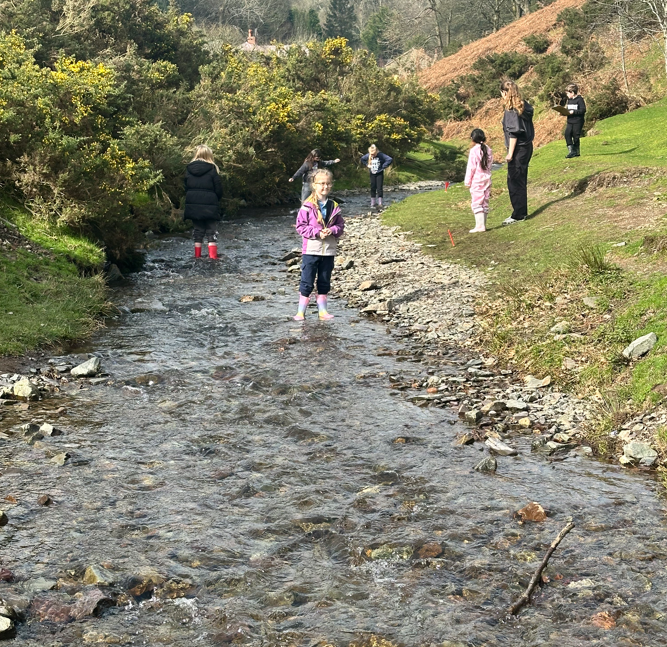
Fieldwork enables pupils to observe, measure, record and present geographical information in real-world contexts.
Implementation
Geography is taught through carefully sequenced enquiries supported by the Opening Worlds curriculum. This provides clear progression in both substantive knowledge and disciplinary thinking, enabling pupils to build a secure understanding of key geographical concepts over time.
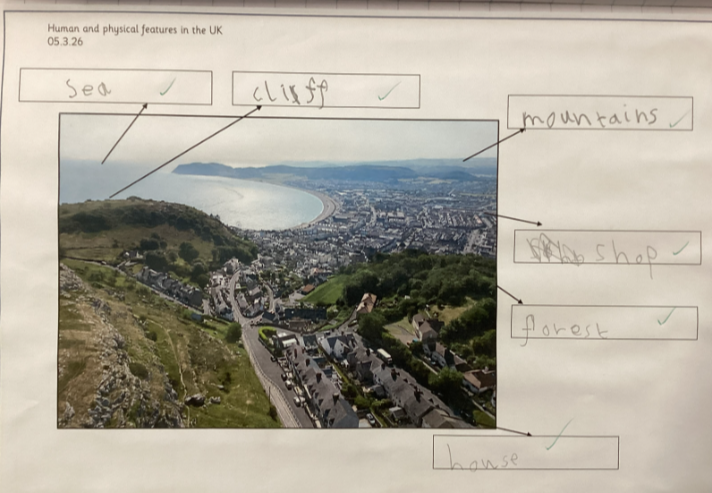
Learning is structured around meaningful questions, allowing pupils to apply their knowledge to broader themes and deepen their understanding of the world.
Lessons focus on developing both substantive knowledge and disciplinary skills, including:
- Using maps, atlases and digital mapping tools
- Interpreting geographical data
- Conducting fieldwork and observing the local environment
- Identifying physical and human features
- Explaining relationships between people and places
Learning is structured progressively. Pupils begin by exploring their immediate surroundings before developing knowledge of the United Kingdom and studying a range of global locations and environments.
Fieldwork is an integral part of the curriculum. Pupils carry out local studies and investigations to observe, collect and analyse data, deepening their understanding of geographical processes.
Impact
Pupils at Old Hill Primary School:
- Demonstrate secure knowledge of physical and human geography
- Use geographical vocabulary accurately
- Interpret maps, data and geographical information with confidence
- Explain patterns, processes and relationships between people and places
- Understand how their local area connects to the wider world
Pupils retain knowledge over time and apply it when studying new locations and concepts. They make connections between different places and understand how physical and human processes interact.
Assessment is used to support teaching and is based on four key areas:
- Knowledge
- Skills
- Vocabulary
- Understanding
Teachers use ongoing formative assessment within lessons, including questioning, observation and retrieval of prior learning, to identify gaps and adapt teaching.
By the end of Year 6, pupils leave Old Hill Primary School as confident geographers who can interpret data, analyse patterns and understand their role within a changing world.
Geography Curriculum Overview
Our geography curriculum is structured so that pupils build their understanding of the world progressively.
- Key Stage 1: Pupils study their local environment, the United Kingdom, continents and oceans
- Lower Key Stage 2: Pupils study physical geography, including rivers, mountains and earthquakes
- Upper Key Stage 2: Pupils study global environments such as deserts and rainforests, alongside climate systems and sustainability
A full overview of the geography curriculum for each year group can be found below.
Enrichment Opportunities
At Old Hill Primary School we believe geography should be experienced as well as studied. First-hand experiences and fieldwork play an important role in helping pupils understand geographical processes and the relationship between people and the environment.
Pupils take part in a range of enrichment opportunities that allow them to apply their geographical knowledge and skills in real-world contexts.
These include:
• Local fieldwork around Old Hill, where pupils investigate how the local environment has changed over time and study features of human geography within their community.
• River studies, where pupils investigate river features and processes, helping them understand how water shapes the landscape.
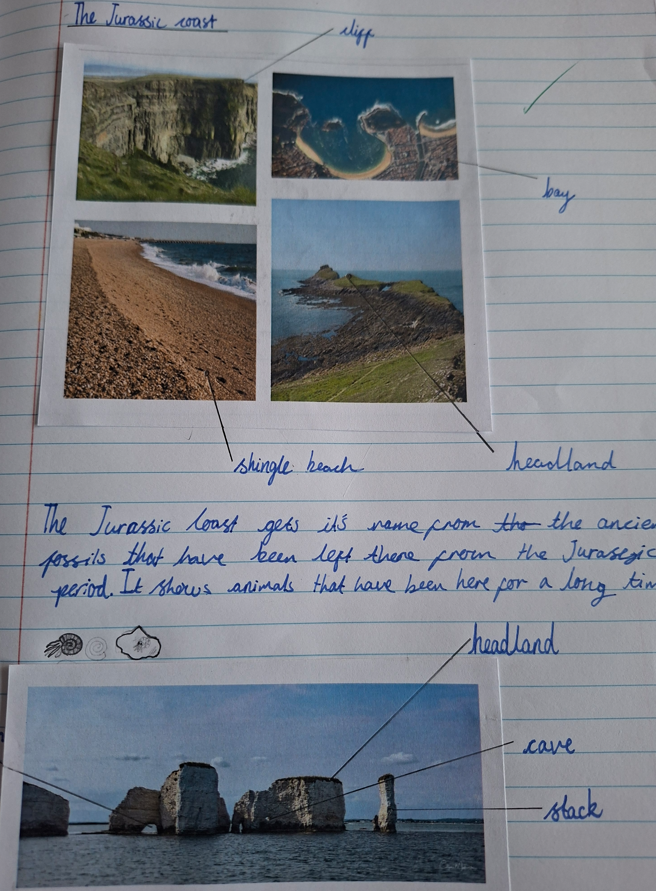
• Coastal fieldwork at the seaside, where pupils explore coastal environments and investigate how physical processes such as erosion and deposition shape coastlines.
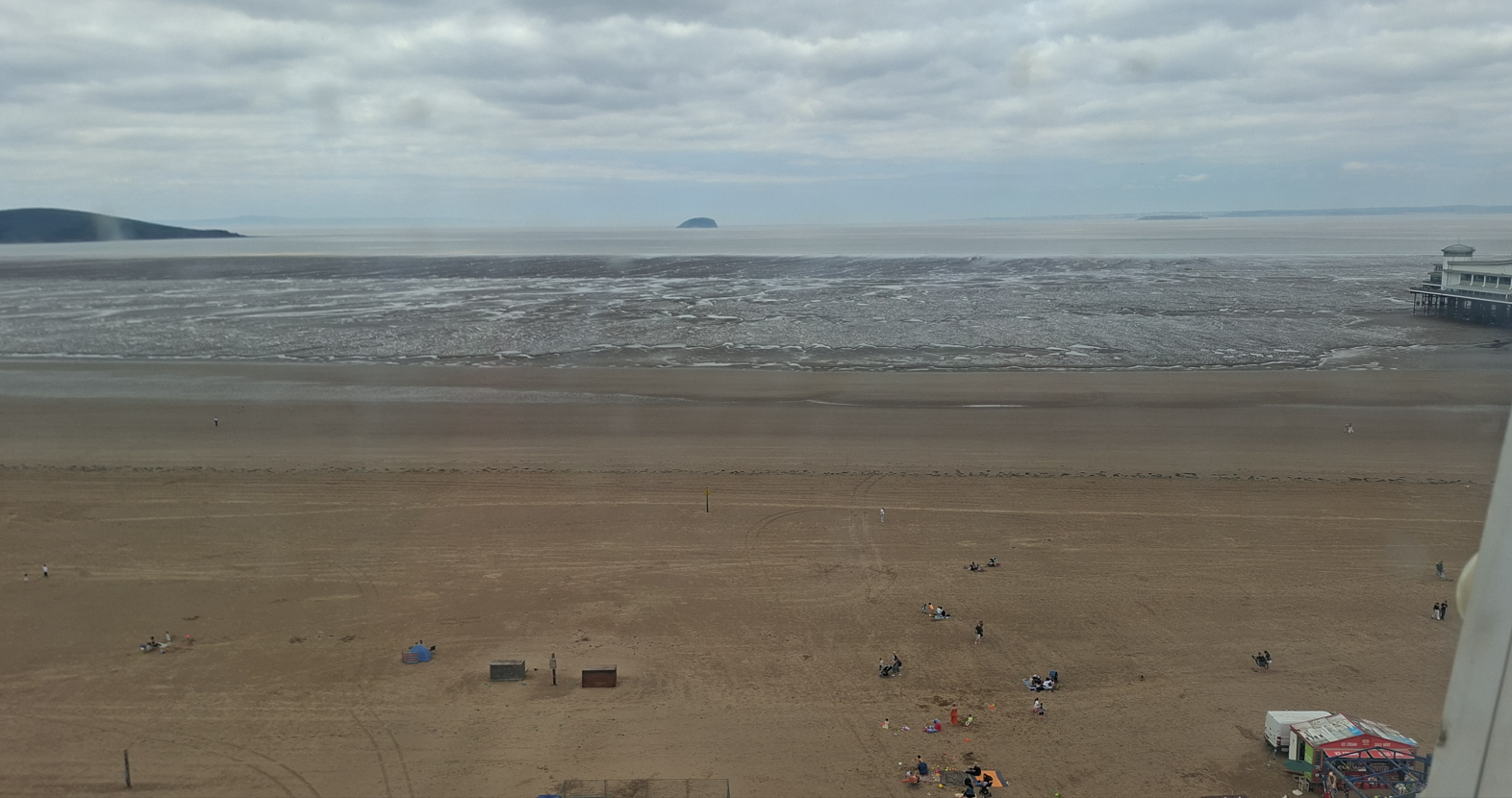
• A study of tourism in Weston-super-Mare, where pupils examine how tourism affects local economies, environments and communities.
Through these experiences, pupils develop practical geographical skills including observation, data collection, map work and the interpretation of geographical features.